in today's digital era, server selection and configuration are crucial to enterprise operations. this article will discuss the optimal configuration and selection of american enterprise servers to help enterprises make wise decisions when facing diverse needs.
understand business needs
before choosing a server, enterprises first need to clarify their own needs. this includes considering business size, data processing capabilities, storage needs, and future scalability. different business applications have different requirements for servers. for example, e-commerce websites require high concurrency support, while big data analysis requires powerful computing capabilities. therefore, a deep understanding of your business's specific needs is the first step in choosing the best server configuration.
server type selection
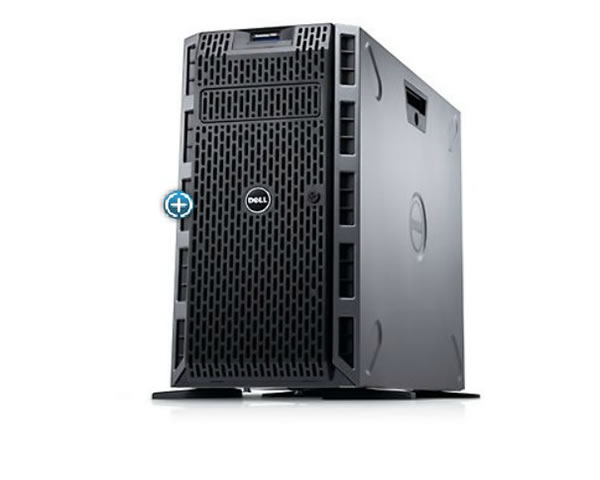
there are three main types of servers on the u.s. market: tower servers, rack servers, and blade servers. tower servers are suitable for small businesses and are easy to install and maintain; rack servers are suitable for medium and large enterprises and are suitable for environments requiring high-density computing due to their space-saving design; blade servers provide higher performance and scalability, but the initial investment is higher. enterprises should choose the appropriate server type based on their size and business needs.
key elements of hardware configuration
the hardware configuration of the server directly affects its performance and stability. first of all, the choice of cpu is crucial, and it is recommended to choose a multi-core processor to meet the needs of multi-tasking. secondly, memory is also a factor that cannot be ignored. sufficient ram can significantly increase the data processing speed. in terms of storage, ssd solid-state drives are superior to traditional hdd hard drives in terms of read and write speeds, and are suitable for application scenarios that require fast response. in addition, the choice of network interface card (nic) will also affect the efficiency of data transmission, and enterprises should make reasonable configurations based on bandwidth requirements.
operating system and software environment
the choice of server operating system is equally important. common operating systems include windows server and linux. windows server is suitable for enterprises using microsoft products, while linux is widely popular for its open source features and high stability. the choice of software environment should be compatible with the enterprise's it infrastructure and applications to ensure that the server can run efficiently.
security and backup strategies
security is an indispensable consideration when enterprises select servers. it is recommended to choose a server with a hardware security module (hsm), which can effectively prevent data leaks and network attacks. in addition, regular backup of data is also crucial. enterprises should establish a complete data backup strategy to ensure that business can be quickly restored in the event of an accident.
scalability and maintainability
as an enterprise grows, server scalability and maintainability become particularly important. choosing hardware components that support hot-swappability can simplify maintenance and reduce system downtime. at the same time, enterprises should consider future expansion needs when selecting models to ensure that the server can adapt to the changing business environment. this means choosing servers that support virtualization technology to facilitate dynamic allocation and management of resources.
choose the right service provider
finally, choosing the right service provider is also an important part of the server selection process. enterprises should consider the service provider's technical support, after-sales service, and industry reputation. good service support can help companies quickly resolve failures and ensure the stable operation of the system. in addition, the professional capabilities and experience of the service provider will also directly affect the configuration and maintenance of the server.
summary and suggestions
the optimal configuration and selection of servers for u.s. enterprises is not static, but should be flexibly adjusted according to the specific needs of the enterprise. when choosing a server, enterprises need to comprehensively consider factors such as type, hardware configuration, operating system, security, scalability, etc. at the same time, it is recommended that enterprises cooperate with professional it consultants to ensure that the selection process is scientific and reasonable. through reasonable configuration and selection, enterprises will be able to better cope with future challenges and promote sustainable business development.
- Latest articles
- Popular tags
-
How To Choose A Suitable US Group Website Server Configuration For Small And Medium-sized Webmasters
The group site deployment guide for the US market helps small and medium-sized webmasters select the appropriate US group site server configuration from dimensions such as bandwidth, CPU, memory, storage, IP and security, taking into account stability and cost-effectiveness. -
Recommended And Used Experience In The Best Site Group Servers In The United States
This article recommends the best site group servers in the United States and shares their usage experience to help you achieve better results in SEO optimization. -

Analysis Of Advantages And Disadvantages Of American Cloud Servers And Selection Suggestions
this article analyzes the advantages and disadvantages of us cloud servers and provides selection suggestions to help users make informed decisions.